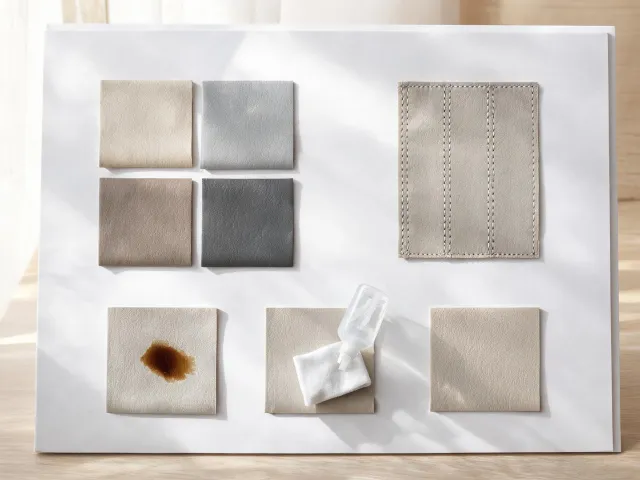
Independent coated-surface selection referencePrepare a material brief
Coated fabric applications material panorama
Applications are not approvals

Spradling Materials Across Demanding Interiors

Contract, Marine and Transportation provide useful starting contexts. Final selection depends on the named collection, color, substrate, fabrication, maintenance, applicable test methods and finished-assembly requirements.

Hospitality seating material review

Hospitality and workplace

High-contact seating can require a coordinated review of texture, color, cleanability, disinfectant compatibility, seam design and abrasion method. A high cycle count alone does not predict service life. Request the current data for the exact collection and color, then compare it with the facility’s maintenance practice.
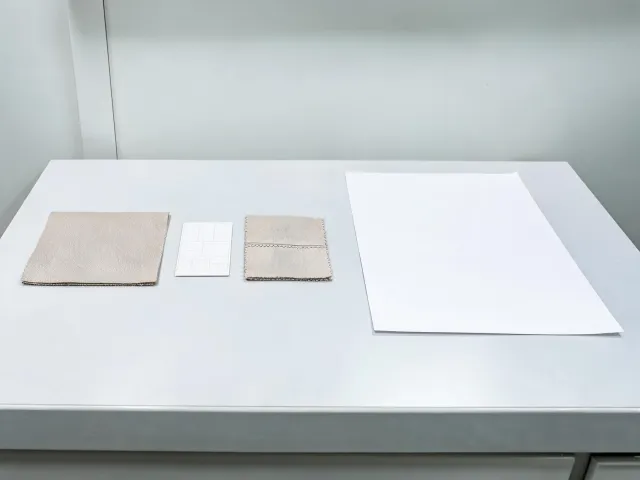

Healthcare upholstery test context

Healthcare environments

Healthcare selection may involve cleaning chemistry, repeated disinfection, stain response, flame requirements and indoor-air considerations. Antibacterial or virucidal results must retain organism, method, exposure and specimen context; they are not clinical-outcome claims and do not replace infection-control protocols.

Marine upholstery exposure review

Marine seating

Exterior marine use can add UV exposure, heat, moisture, salt, mildew and cleaning constraints. Confirm that the exact reference is intended for the proposed exposure, read the named test and warranty conditions, and evaluate seam, foam, substrate and drainage as part of the finished assembly.

Transportation interior material specification

Transportation interiors

Vehicle, rail or other transportation programs may impose system-level flame, smoke, wear and cleaning requirements. A material page does not establish qualification for every platform. Record the collection, construction and method, then compare the evidence against the project owner’s current specification.

Education seating coated surface samples

Education and public space

Busy public interiors often balance initial cost, visual warmth, cleanability, repair strategy and replacement cycles. Evaluate abrasion together with coating adhesion, seam behavior, stains, cleaners and maintenance capacity. Ask who owns the finished-assembly acceptance decision before relying on a material result.

Residential upholstery material palette

Residential specification

Residential use may prioritize handfeel, grain, color and care alongside durability. A leather-like appearance does not prove identical chemistry or breathability. Compare the exact surface and backing, request the current cleaning guidance, and confirm whether the selected color is current through an official channel.

CollectionName and color reference
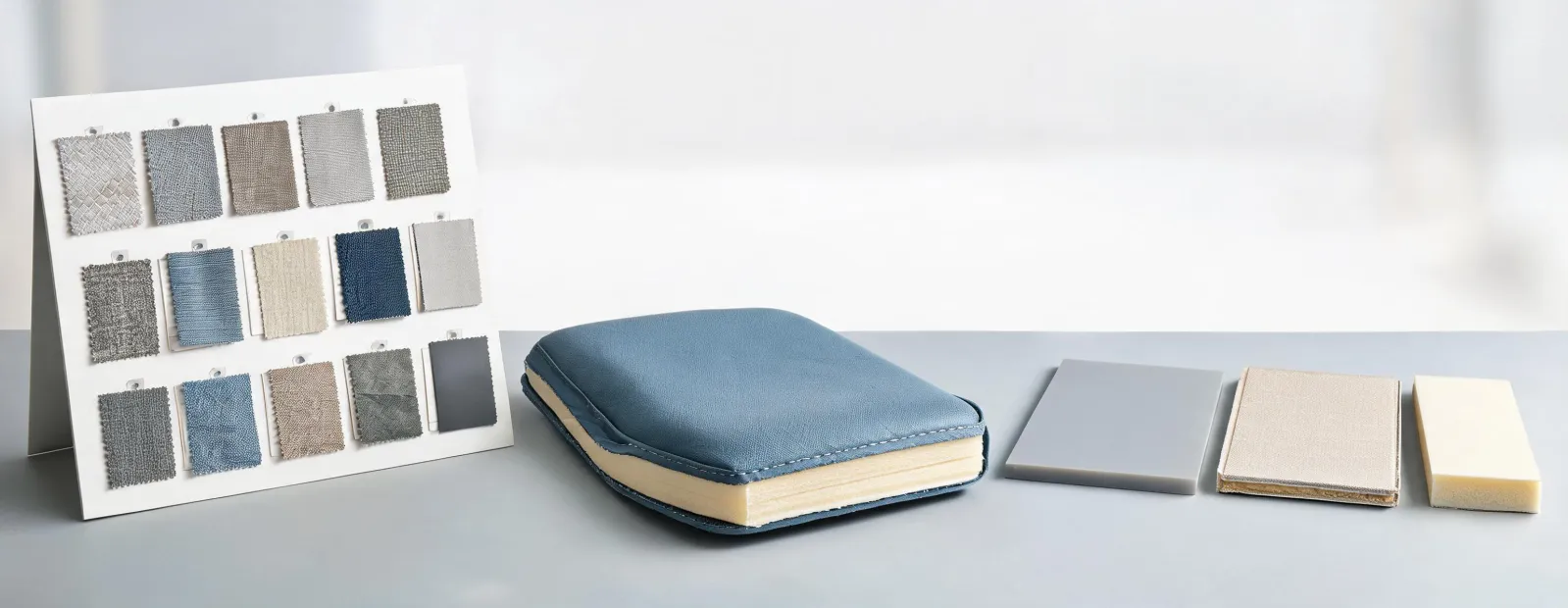
ConstructionSurface, backing, weight, width
MethodWyzenbeek, Martindale, flame, UV
AssemblySubstrate, seam, care, exposure

Performance and circularity rarely move together without trade-offs

A robust coating can support cleanability and wear objectives, yet a multi-layer surface-and-backing construction may make material separation and recycling more difficult. Recycled or bio-attributed content can support a material objective, but it does not establish the impact of every color, component or end-of-life route. The defensible approach is to record the exact construction and evidence instead of treating one environmental attribute as a portfolio-wide conclusion.

Direct coating, lamination and alternative surface chemistries also create different handfeel, weight, cost, durability and recovery questions. There is no universal winner: application, maintenance and evidence quality determine the appropriate route.

Match the reference to the real environment

Bring the substrate, exposure, cleaning routine, test requirement and exact collection name. We will help organize the official-source questions without implying approval, supply or installation.